


Related Posts
 Chili peppers: a nutritious food from farm to table, with both edible and medicinal value
- Chili peppers and bell peppers: Understanding their morphological differences and cultivation characteristics in one article
- What do we know about China's pepper production and trade
- From "Diplomat" to "Pepper Officer": The Legend of Chinese Peppers by Italian Luca Zhang
- Zhang Luka: Why is chili pepper so popular on the world's dining tables

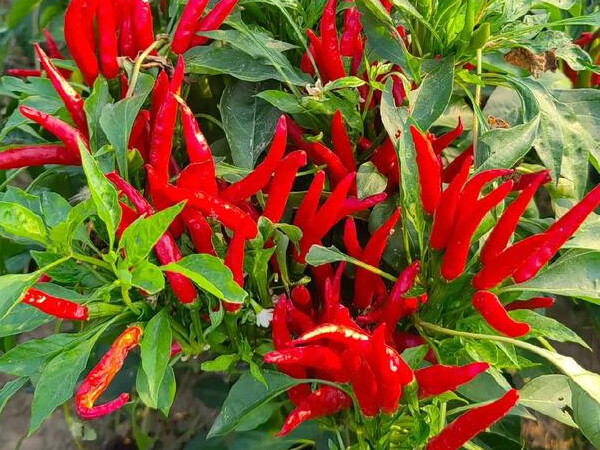
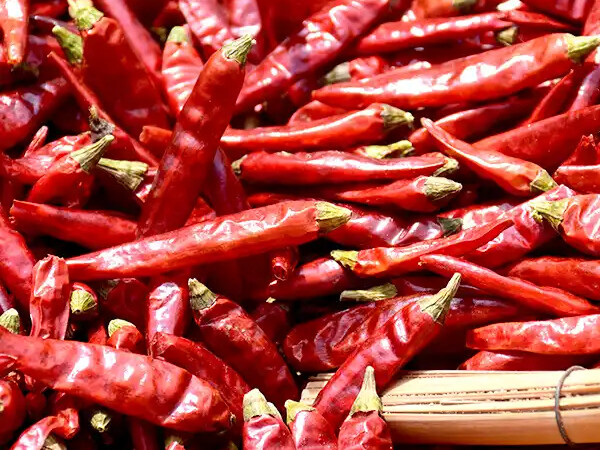

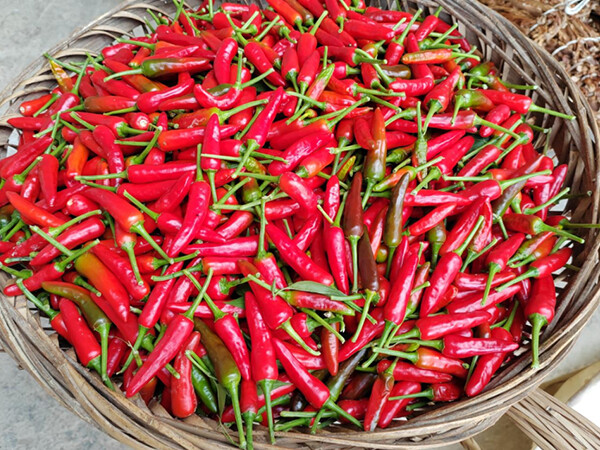
As global consumers' appreciation for chili flavor continues to grow, the export of specialty chili products will usher in a golden opportunity.
This article is the transcript of an exclusive interview between Zhang Luca, Secretary-General of the World Chili Alliance, and the "Influencers Face to Face" team during the "2025 China Catering Industry Festival." It has been edited and published by Red Can Network with some omissions.
On March 12th, the 2025 China Catering Industry Festival (Red Can 33rd HCC Catering Expo), co-hosted by the China General Chamber of Commerce and Red Can Network, organized by the Red Can Network Industry Research Institute and Red Can Network, and co-organized by Red Can Network and Red Kitchen Network, concluded successfully at the Century City International Convention Center in Chengdu.
During the event, Zhang Luca, Secretary-General of the World Chili Alliance, gave an exclusive interview to the "Influencers Face to Face" team. The following is the transcript:
01.
What key challenges and opportunities will the global chili industry face in the next 3-5 years?
Zhang Luca: Although chili peppers are small, they support a massive industry. Predicting the challenges the chili pepper industry may face over the next three to five years is no easy task, but we can analyze it from a macro perspective.
Currently, practitioners in chili pepper cultivation, primary processing, and deep processing generally focus on three key factors: price, quality, and the overall stability of the industry.
In the future, climate change may pose a severe challenge to the chili pepper industry. Extreme weather events could cause significant price fluctuations, deteriorate quality, and lead to a sharp drop in production.
In addition to climate change, international collaboration is crucial to the sustainable development of the chili pepper industry. Chili peppers are a diverse crop, and the varieties grown and used in different countries vary significantly.
For example, China exports a large amount of chili peppers to Europe, becoming a key raw material for Spanish chili pepper processing. Any fluctuations in Chinese chili pepper production would significantly impact Europe's chili pepper processing and application industries. At the same time, China would also need to import specialty chili pepper varieties from other countries.
While the chili pepper industry faces numerous challenges, it also holds significant development opportunities.
For example, the rise of precision agriculture technology is injecting new vitality into the chili pepper industry. Chili peppers are small-scale crops, and traditional harvesting relies on extensive manual labor, which is costly and inefficient. Leveraging AI to promote precision agriculture holds promise for resolving this challenge. In terms of market size, the chili pepper industry is experiencing sustained expansion. For example, the chili sauce market has already reached $5.5 billion, with a projected compound annual growth rate of approximately 7% over the next decade. As global consumers' appreciation for chili flavor continues to grow, the export of specialty chili products presents a golden opportunity.
02.
Can you share your experience balancing technical standardization and localization needs in cross-border collaboration, drawing on case studies from the chili pepper industry?
Luka Zhang: I believe that when it comes to technical standards, we shouldn't limit ourselves to a single country or specific group. Practitioners across the industry should strive for the highest standards and the highest technological content. This should be a consensus within the industry. Only by striving for the highest quality and the best technology can we drive the industry forward.
From a localization perspective, the focus should be on the application and development of specific scenarios and business models, which is the key to industry innovation. For example, after Chinese chilies entered the European market, they weren't made into fermented bean paste (doubanjiang). Instead, they became the chili powder and sweet paprika found on Spanish tables. India's S17 chilies, though not used in hot pot bases in its home country, became a key chili variety in China for adding spiciness. This demonstrates that the chili industry is a global one, one that relies heavily on cross-border collaboration.
For those in the industry, future efforts should focus on developing applications, scenarios, and business models for chilies.
03.
You once mentioned "using chilies as a medium to promote Chinese cuisine."
How have Chinese chili varieties impacted the world?
Luka Zhang: In the chili industry, China is still in its early stages of development in terms of variety definition, packaging, and marketing. In the Chinese market, consumers are more exposed to the broad concepts of "chili" and "spicy," as few can identify specific chili varieties or brands at the consumer end.
In contrast, consumers in some parts of the world have a clear understanding of chili varieties. The unique experiences offered by different varieties drive them to proactively purchase specific varieties. Therefore, identifying and promoting chili pepper varieties will become a key development direction for China's chili pepper industry.
First, we need to systematically analyze various chili pepper varieties, deeply explore their unique characteristics, identify suitable application scenarios, and establish a comprehensive marketing system. This will not only help Chinese consumers better understand chili pepper varieties but also lay the foundation for Chinese chili pepper varieties to enter the international market.
It is worth noting that China's chili pepper industry encompasses multiple sectors, including spicy dishes, cuisines, catering formats, and chili pepper products. As the world's largest producer and consumer of chili peppers, China has accumulated abundant resources and a large consumer base.
In the future, China is expected to leverage these advantages to play a leading role in the global chili pepper market, catering to chili pepper consumption trends and gaining a voice in consumer discourse.
04.
What is the global impact of China's spicy cuisine?
Luka Zhang: Currently, Sichuan cuisine is a highly popular Chinese cuisine overseas. Furthermore, the gradual rise of hot pot abroad is also beginning to establish itself as a mainstream culinary experience. However, the overseas expansion of China's catering and chili pepper industries is only just beginning, as it is a gradual process.
Looking back at the development of the Chinese chili pepper market, we can see that many restaurant chains and chili product processing companies have already achieved considerable scale. Over their long-term operations, they have accumulated substantial market share, accumulated extensive operational experience, and made comprehensive preparations, both financially and humanly, for expanding into overseas markets. This accumulation of experience has created extremely favorable conditions for the Chinese catering and chili pepper industries to expand overseas.
Looking ahead, as this expansion accelerates, not only will Sichuan cuisine continue to gain global popularity, but also specialty chili peppers like Yunnan chili peppers, Hainan lantern peppers, and Sichuan erjingtiao peppers will shine on the global stage, becoming global mainstream symbols of Chinese culinary culture.
05.
What career development advice do you have for young practitioners entering the catering supply chain sector?
Luka Zhang: First, maintain a calm mindset. Advancing any career is not achieved overnight; it requires time, experience, and mature thinking.
Second, cultivate curiosity and passion. Working with pure passion is more likely to attract attention and recognition. Finally, while hard work is essential for young people to grow, they should not put too much pressure on themselves. Once a goal is set, regardless of whether it ultimately succeeds, they must remain steadfast in their belief and persevere.
Leave a Message
Thank you for your interest in our products. "*" Indicates the Fields are Mandatory