


Related Posts
 Chili peppers: a nutritious food from farm to table, with both edible and medicinal value
- Chili peppers and bell peppers: Understanding their morphological differences and cultivation characteristics in one article
- What do we know about China's pepper production and trade
- From "Diplomat" to "Pepper Officer": The Legend of Chinese Peppers by Italian Luca Zhang
- Zhang Luka: Why is chili pepper so popular on the world's dining tables

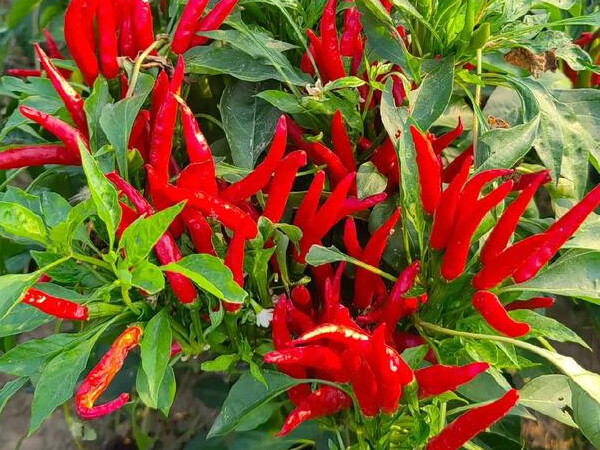
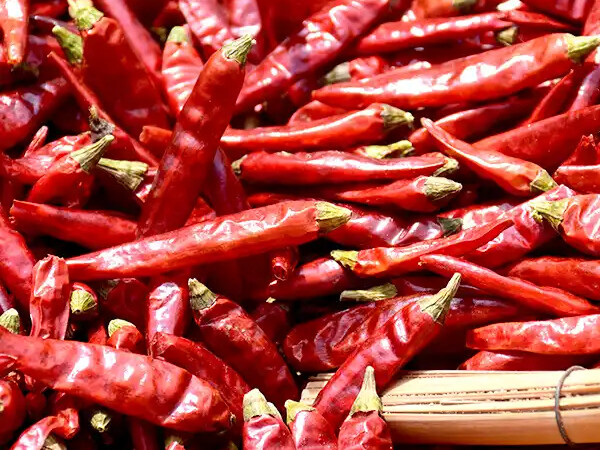

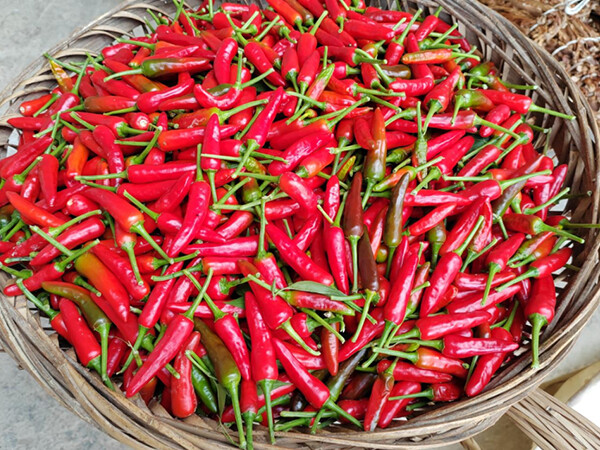
Nutritional Analysis
1. Antipyretic and Analgesic: Chili peppers are pungent and warm, lowering body temperature and relieving muscle pain through sweating, thus possessing a strong antipyretic and analgesic effect.
2. Cancer Prevention: Capsaicin, the active ingredient in chili peppers, is an antioxidant that inhibits cell metabolism, thereby halting the cancerous process and reducing the incidence of cancer.
3. Appetite Enhancement and Digestion Aid: The intense, spicy flavor of chili peppers stimulates saliva and gastric juice secretion, increasing appetite, promoting intestinal motility, and aiding digestion.
4. Lipid-Lowering and Weight-Loss Aid: The capsaicin in chili peppers promotes fat metabolism, preventing fat accumulation in the body, and promoting lipid-lowering, weight loss, and disease prevention.
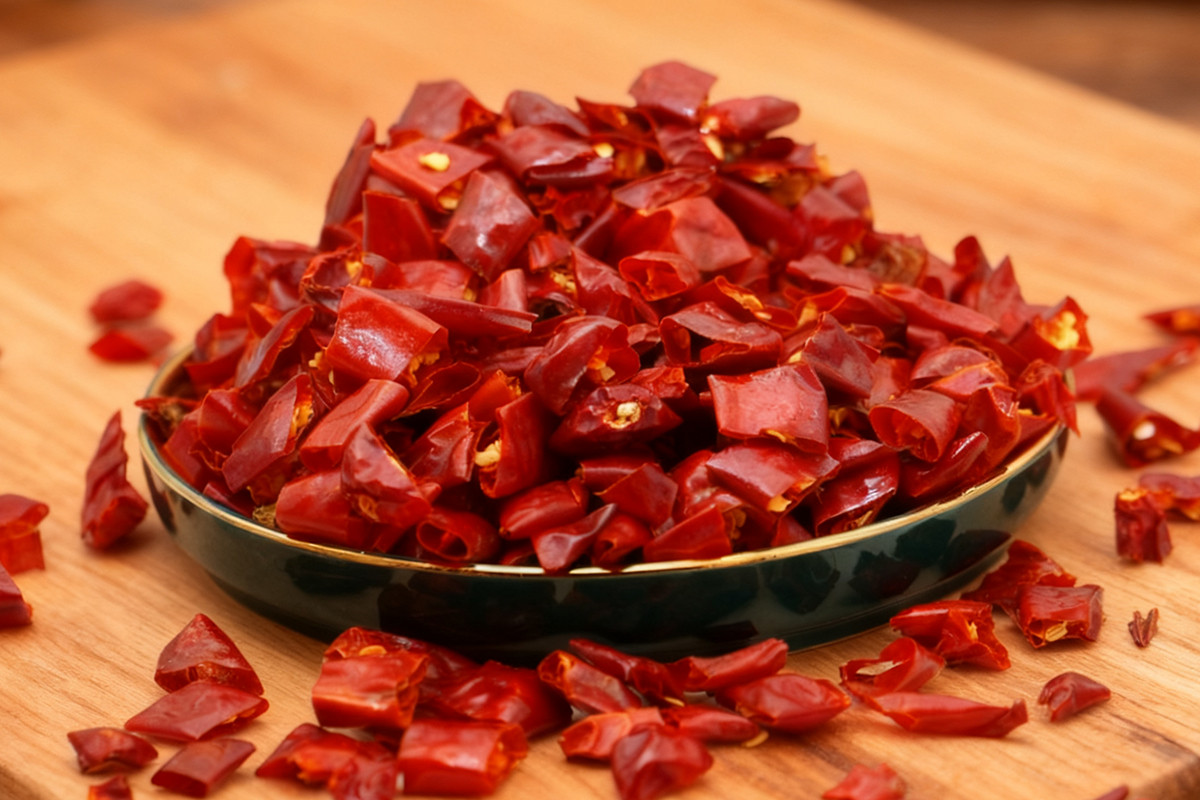
Chili peppers are warm, pungent, and slightly toxic. They enter the spleen and stomach meridians and are primarily used to treat indigestion, cold-related stomachaches, rheumatic pain, and lower back pain.
1. Digestive Effects
Capsicum tincture, or capsaicin, can be taken internally as a stomachic, stimulating appetite and improving digestion. Animal studies (on dogs with Basov's gastric paralysis) have shown that the irritation of the oral mucosa by capsicum saliva reflexively increases gastric motility. Condiments made from various peppers, when taken orally, can increase salivation and amylase activity. High oral doses can cause gastritis, enteritis, diarrhea, and vomiting. There have been reports of capsicum having inhibitory and antispasmodic effects on isolated animal intestines.
2. Antibacterial and Insecticidal Effects
Capsaicin has significant inhibitory effects on Bacillus cereus and Bacillus subtilis, but is ineffective against Staphylococcus aureus and Escherichia coli. Its branches and leaves have no antibacterial effects and only have a very slight inhibitory effect on Mycobacterium tuberculosis. A 10-20% decoction of capsicum has the ability to kill bedbugs.
3. Erythematous Effect
Applied externally as a liniment, it has an effervescent effect on the skin, causing local blood vessels to reflexively dilate and promoting strong blood circulation. Tinctures can be used for chilblains; however, some believe that chili peppers only strongly stimulate sensory nerve endings, causing a warming sensation, with little effect on blood vessels. High concentrations do not cause foaming, so they cannot be considered erythematous agents.
4. Effects on the Circulatory System
Spicy substances (ginger, pepper, and especially chili peppers) can stimulate taste receptors on the human tongue, reflexively causing a rise in blood pressure (especially diastolic pressure) without a significant effect on the pulse. Intravenous injection of capsaicin or chili pepper preparations in anesthetized cats and dogs can cause a transient drop in blood pressure, a slower heart rate, and dyspnea. This is due to stimulation of chemoreceptors or stretch receptors in the lungs and coronary arteries. It has a direct stimulatory effect on isolated guinea pig atria and a constrictive effect on rat hindlimb blood vessels.
5. Other Effects
It has been reported internationally that consuming a diet seasoned with red chili peppers (unknown variety) for three weeks significantly increases free hydrocortisone in plasma and increases urinary excretion. It also reduces fibrinolytic activity. A decoction of the aerial parts of the plant has a stimulatory effect on the isolated rat uterus.
Leave a Message
Thank you for your interest in our products. "*" Indicates the Fields are Mandatory