


Related Posts
 Chili peppers: a nutritious food from farm to table, with both edible and medicinal value
- Chili peppers and bell peppers: Understanding their morphological differences and cultivation characteristics in one article
- What do we know about China's pepper production and trade
- From "Diplomat" to "Pepper Officer": The Legend of Chinese Peppers by Italian Luca Zhang
- Zhang Luka: Why is chili pepper so popular on the world's dining tables

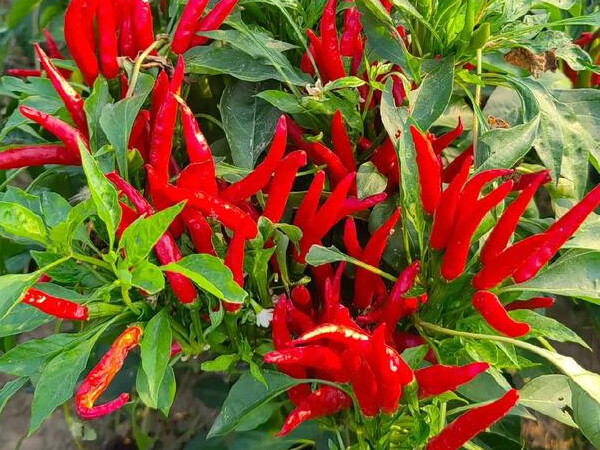
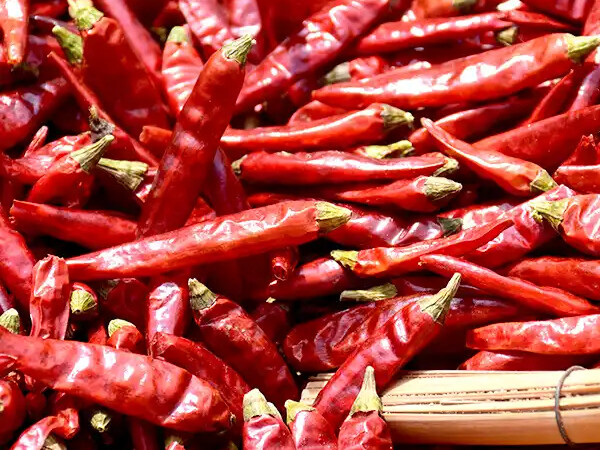

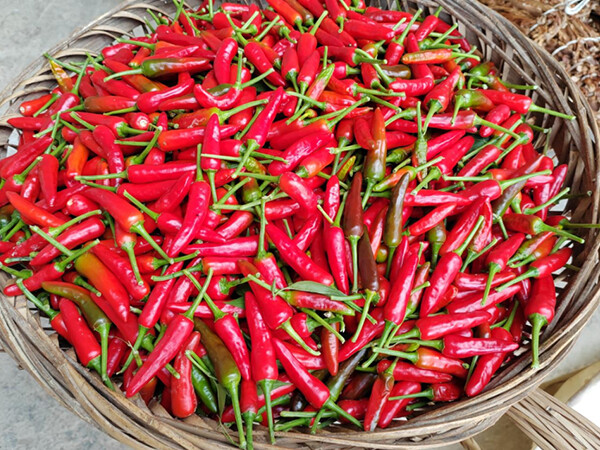
Chili peppers are an indispensable ingredient in our daily diet, their distinctive spiciness stimulating the taste buds and adding a unique flavor to dishes. However, chili peppers are far more than just a condiment; they possess a rich nutritional profile, extensive medicinal properties, and unique growth characteristics, making them a plant of great research and utilization value.
I. Botanical Characteristics of Chili Peppers: Diverse Morphologies and Distinctive Features
Chili peppers, scientifically known as Capsicum annuum L., belong to the genus Capsicum in the Solanaceae family. Also known as sweet peppers, large peppers, vegetable peppers, and chili peppers, they are annual or limited perennial herbs or shrubs. Pepper plants typically range in height from 40 to 80 cm, with stems that are nearly glabrous or slightly pubescent, and branches that curve in a slightly zigzag pattern. Leaves are alternate, often forming pairs or clusters at the top of branches where the nodes do not elongate. Leaf shapes vary, ranging from oblong-ovate, ovate, or ovate-lanceolate, with entire margins. Pepper flowers are solitary and drooping, with a cup-shaped calyx, a white corolla, ovate lobes, and gray-purple anthers. The fruit stems are also drooping, and the fruit is long, finger-shaped, with a tapering, often curved tip. It is green when immature and matures to red, orange, or purple-red, with a spicy flavor. The seeds are flat, kidney-shaped, and pale yellow.
2. Pepper Distribution and Cultivation: A Long History and Global Distribution
The pepper's native range extends from Mexico to Colombia, and it is now widely cultivated worldwide. In China, pepper cultivation dates back centuries, and through long-term cultivation and development, numerous varieties adapted to different regional environments have emerged.
Peppers are adaptable to a wide range of soils, but they thrive in loose, fertile, and well-drained sandy loam with a pH of 5.5-6.8. It is a thermophilic crop, preferring warm, humid climates and is intolerant to cold, waterlogging, and drought. During their growth, peppers avoid high temperatures and intense sunlight. Strong sunlight is detrimental to their growth. However, they can tolerate up to 45% shade, though this can delay flowering. Furthermore, peppers are relatively tolerant of drought and barrenness, with flowering and fruiting typically occurring between May and November.
III. Pepper Growing Environment Requirements: Multiple Factors Influence, Wide Adaptability
(I) Altitude
Peppers are suitable for growing at a wide range of altitudes. Taking Yunnan as an example, wild chili pepper varieties are primarily found in temperate forests along the Lancang, Jinsha, and Red Rivers at altitudes below 500 meters or in southern latitudes in Jinghong, Jianshui, Shiping, and Qiaojia. These chili peppers are highly spicy. Fruit-bearing varieties such as the large-grained chili pepper, black-shelled chili pepper, and shabu-shabu chili pepper are primarily found at altitudes between 300 and 1000 meters in Yuanjiang, Jinghong, Hekou, Simao, Jianshui, and Ruili. Less spicy, larger-fruited varieties such as the lantern chili pepper and the long-horned chili pepper are primarily found in Zhaotong, Huize, and Kunming at altitudes between 1800 and 3000 meters. Above 3000 meters, the thick-skinned iron-horned chili pepper is primarily cultivated. Daytime temperatures in these pepper-growing areas consistently remain above 20°C, with rainfall ranging from 600 to 1250 mm.
(II) Temperature
Temperature is a key factor affecting chili pepper growth. The optimum temperature for pepper seeds to germinate is 20-30°C. Temperatures above 35°C or below 10°C will prevent germination. The growth temperature range is 15-34°C, with the most suitable temperatures being 23-28°C during the day and 16-20°C at night. The ideal ground temperature is 20-28°C.
Peppers have slightly different temperature requirements at different growth stages. 25-28°C is optimal during the germination stage; during the seedling stage, temperatures can be slightly lower, ranging from 23-25°C during the day and 15-22°C at night. During the flowering and fruiting stages, ideal temperatures are 23-27°C during the day and 18-23°C at night. Sometimes, on cloudy days, night temperatures can drop to 13-17°C, which is still conducive to fruit development. When temperatures fall below 15°C, peppers grow very slowly and fail to set fruit. Growth ceases below 10°C. Below 5°C, the plants suffer varying degrees of frost damage, which can lead to plant death in severe cases. Above 35°C, pepper growth slows, causing flower and fruit drop. Above 36°C, growth essentially ceases.
(III) Light
Peppers have a wide range of adaptability to light. Generally speaking, they require ample light, but compared to other fruits and vegetables, they are more tolerant of low light levels. Furthermore, peppers have varying light requirements at different stages of their growth. During germination, seeds require darkness; germination often fails in light. Seedlings require good light conditions. During the flowering and fruiting stages, they require ample light. Ample light promotes the growth and development of floral organs, while insufficient light can easily cause flower and fruit drop. It's worth noting that peppers are not sensitive to day length. As long as the temperature and nutrients are suitable, they can flower and set fruit normally under both long and short daylight conditions. (IV) Water
Chili peppers are neither drought-tolerant nor waterlogged. Although individual plants require little water, their small root systems and weak absorption capacity require frequent watering for healthy growth. Therefore, they require moist, loose soil. Dry soil will cause the plant to grow short and the fruit to be small and stiff. Waterlogged soil, however, lacks oxygen, hindering root development.
Air humidity also has a certain impact on pepper growth. Generally, a relative humidity of 60%-80% is beneficial for pepper stem and leaf growth, flowering, and fruiting. Excessive humidity not only hinders pollination and fertilization, but also easily leads to various diseases.
(V) Soil
As mentioned above, peppers are adaptable to a wide range of soils and thrive in loose, fertile, well-drained sandy loam with a pH of 5.5-6.8. They also require deep, well-structured, rich organic matter, a good balance of nitrogen, phosphorus, and potassium, and fertile loam with easy irrigation and drainage. Growing peppers on saline-alkali soil can lead to stunted root development, underdeveloped leaves, and increased susceptibility to viral diseases.
IV. The Multiple Values of Peppers: Edible, Medicinal, and Economic
(I) Edible Value
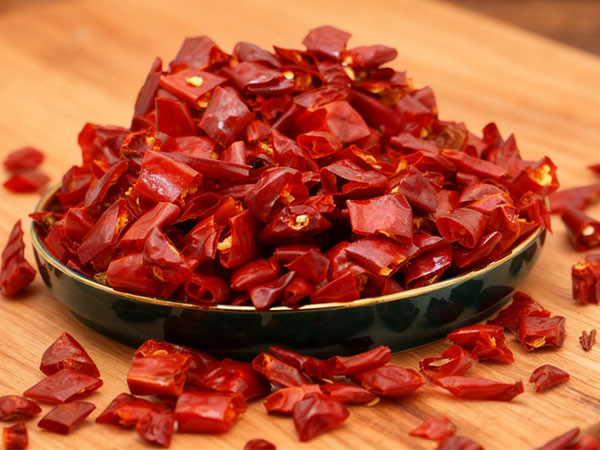
Peppers are primarily consumed for their fruit, which is rich in vitamin C, providing essential vitamins for the human body. In the diet, peppers are often used as a condiment, adding a unique flavor to various dishes. Besides being eaten fresh, peppers can be prepared in a variety of ways, including pickled and dried, and processed into dried peppers, chili powder, chili oil, and chili sauce, catering to diverse tastes. Furthermore, chili seed oil is also edible, further expanding the range of peppers' uses.
(II) Medicinal Value
According to Chinese medicinal texts, the fruit, root, stem, and leaves of peppers are all used as traditional Chinese medicine, demonstrating significant medicinal benefits. They can be used to treat stomach cold, qi stagnation, vomiting, weakness in the hands and feet, rheumatic cold pain, and alopecia areata, providing significant benefits for human health. (III) Economic Value
As one of China's important agricultural exports, chili peppers are competitive in the international market, generating significant economic revenue for the country. They also drive the development of related domestic industries, such as chili cultivation, processing, and transportation, providing numerous employment opportunities.
This seemingly ordinary plant, chili peppers, with their unique growth characteristics, rich nutritional value, and diverse value, holds a vital place in people's lives. Whether as a delicious condiment on the table, a medicinal herb in traditional Chinese medicine, or an agricultural product that drives economic development, chili peppers continue to add color to people's lives.
Leave a Message
Thank you for your interest in our products. "*" Indicates the Fields are Mandatory