


Related Posts
 Chili peppers: a nutritious food from farm to table, with both edible and medicinal value
- Chili peppers and bell peppers: Understanding their morphological differences and cultivation characteristics in one article
- What do we know about China's pepper production and trade
- From "Diplomat" to "Pepper Officer": The Legend of Chinese Peppers by Italian Luca Zhang
- Zhang Luka: Why is chili pepper so popular on the world's dining tables

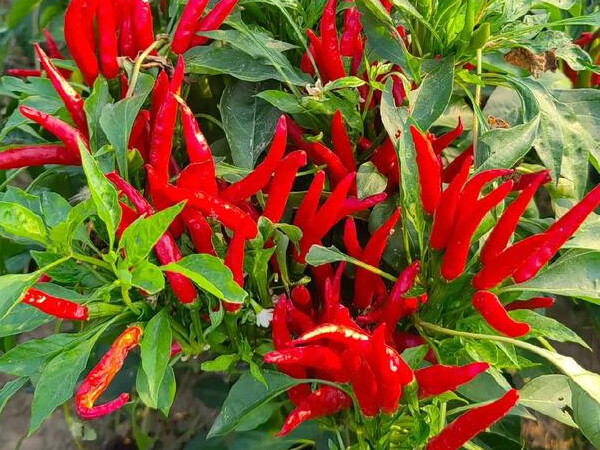
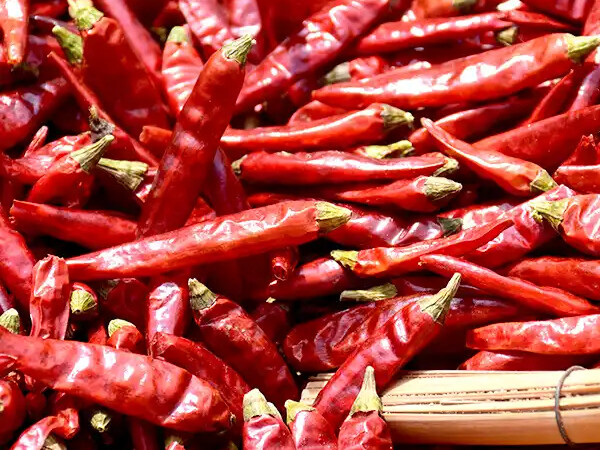
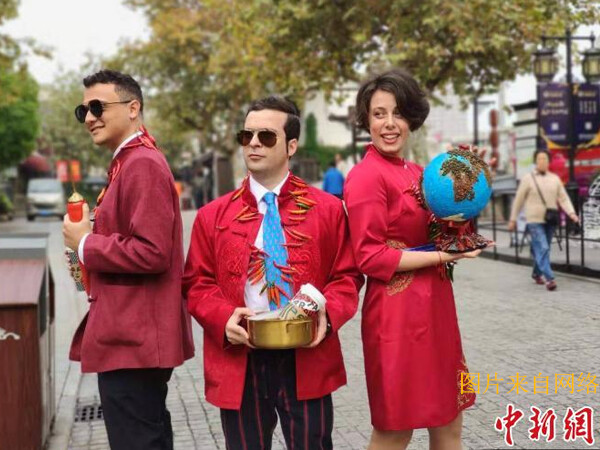
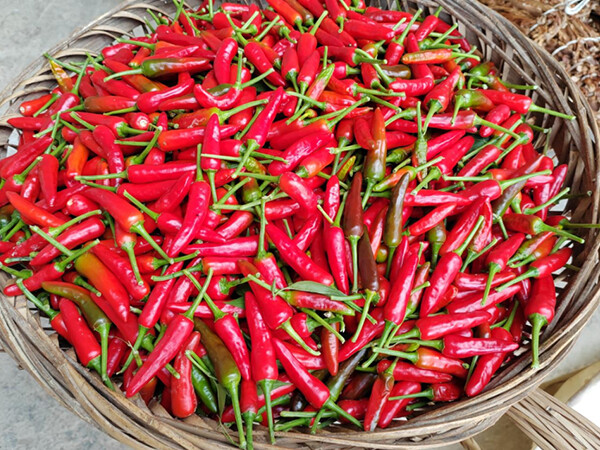
The chili pepper, originating from Latin America, has become a staple on dining tables worldwide. Dishes made with chili peppers have also become the subject of study for foodies and chili pepper enthusiasts. Through its unique flavor and charm, chili peppers are fostering more exchanges among those who cannot enjoy food without spice. Moreover, chili-eating countries and regions around the world are using spicy culture as a platform to enhance understanding, friendship, and cooperation. In promoting Chinese food culture, chili peppers are also opening the door for the world to understand Chinese cuisine. Why has the humble chili pepper become so popular on dining tables worldwide? Zhang Luka, Secretary-General of the World Chili Pepper Alliance, recently gave an exclusive interview to "East-West Dialogue".
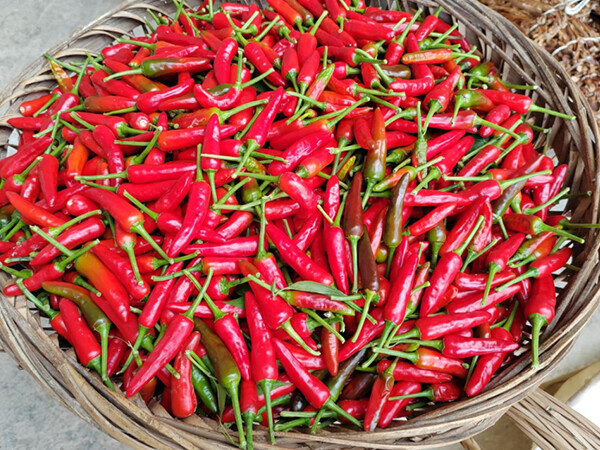
The summary of the interview transcript is as follows:
Reporter: Spicy is a global consensus in taste and an important flavor in cuisine. Why can chili peppers take over dining tables around the world?
Zhang Luka: Chili is a condiment used worldwide. It is not only a spice, but also a borderless ingredient. Like a key to unlocking the world's food culture, chili serves as a medium for promoting mutual cultural exchange.
The global popularity of chili peppers has undergone a historical process. As they spread from Latin America to the rest of the world, they did not enter the lives of local people in an abrupt or unfamiliar manner. Initially, they had ornamental and medicinal value, and later, with their unique taste and functions, they gradually became an important part of people's dining tables and a crucial ingredient in many cuisines.
During the process of localization around the world, chili peppers have given rise to various preparations, such as being ground into chili powder, pickled, or dried. The charm of chili peppers lies in their ability to enrich simple dishes and food flavors, while also serving as a preservative, extending the shelf life of food. This has made chili peppers a complement to various regional culinary flavors, and even a distinctive feature of local cuisine.
Nowadays, chili has become an indispensable part of people's lives in many regions, holding a unique position in the dietary cultures of countries around the world.
Reporter: How does chili affect people's eating habits? What are the catering products and derivative products made based on chili?
Zhang Luka: Chili peppers are both a condiment and an ingredient, and can be combined with other ingredients to create a wide range of foods. Although different varieties of chili peppers vary in shape, color, and taste, they all belong to a very unique category of spices and vegetables.
From a sensory perspective, chili peppers trigger certain chemical reactions in the mouth. The so-called spicy sensation is primarily due to the stimulation of the taste buds, evoking a unique sensation. This is why many people, who initially struggled with spicy food, now find themselves craving it.
Chili peppers also have nutritional components and medicinal effects. For example, capsaicin can stimulate the taste buds and alleviate loss of appetite. Many studies have also shown that chili peppers can promote blood circulation, making blood flow smoother.
Currently, there are countless foods related to chili peppers in the world. Firstly, there are chili sauces, chili powders, pickled chili peppers, etc., made from chili peppers themselves. Secondly, there are various stir-fries, stews, steamed dishes, etc., composed of chili peppers and other ingredients. Lastly, there are various new inventions and combinations, such as chili ice cream, chili cake, etc. With the popularity of spicy culture, derivative products such as bracelets and cufflinks made with chili peppers as prototypes, scarves and ties printed with chili pepper patterns, etc., are also increasing.
Reporter: How can chili peppers help Chinese cuisine go global and bring international cuisine to China?
Zhang Luka: I have always believed that cuisine is the most attractive and charming communication tool. Often, the culture and history of a country can be traced back to its cuisine.
For example, many countries produce their own chili sauce or dishes with spicy flavors. Therefore, using spiciness as a medium can make communication between people very interesting and also facilitate exchanges between countries.
China boasts numerous delicacies and cuisines crafted with chili peppers, such as hot pot, Sichuan cuisine, and Hunan cuisine. Mexico is home to one of the world's most addictive hot sauces, the Cholula sauce. South Korea has a special chili sauce for bibimbap. In southern Italy, there is a pork chili sauce that is a source of pride for the locals. Spiciness is a universal consensus in taste among people worldwide, and chili-infused delicacies from different parts of the world constitute a common "language", enabling people from diverse regions to understand each other through this shared passion.
According to official data, in the first eight months of 2022, the trading volume of chili peppers in China's Chili City reached 110,000 tons, with a trading value of RMB 2.7 billion. This spurred the trading volume of the secondary market surrounding the Chili City to approximately 220,000 tons, with a trading value of approximately RMB 5.72 billion.
This data is quite impressive. If we can ascribe higher value to Chinese chili peppers and tell their stories well, such as the encounter between chili peppers and Hunan cuisine, Sichuan cuisine, the production techniques of Chinese chili peppers, the spirit of craftsmanship, and legendary stories, it will be easier to stimulate people's interest in Chinese cuisine. Chili peppers will become a stepping stone for promoting Chinese food culture to the world, and will also forge stronger connections with cuisines related to chili peppers around the world, allowing more chili pepper dishes to enter China.
Reporter: What are the exchanges and blends between chili festivals and chili food cultures around the world?
Zhang Luka: Every year, various countries hold their own chili festivals. For example, there is a chili festival in the UK featuring chili paired with cheese, a grand chili festival in Hatch, New Mexico, USA, chili festivals in southern Italy, France, and Hungary, which not only has a chili festival but also a chili museum.
Why do many countries celebrate chili festivals? Firstly, chili cultivation spans the globe. Secondly, as a food, chili is an essential part of local cuisines. Furthermore, apart from celebrating the harvest, chili festivals serve as a form of leisure and entertainment. The red chili peppers symbolize joy, and people gather to exchange ideas over chili. Simultaneously, chili festivals attract many tourists from other regions, allowing people to learn about the local customs and traditions through chili.
Reporter: Wherever there are Chinese people, there is "Laoganji". This is not just an advertising slogan, but more of a declaration that Guizhou chili has gone from the depths of the mountains to the world. A bottle of spicy sauce is the best remedy for the homesickness of overseas Chinese. Today, Guizhou chili is not only the flavor of Guizhou, but also the flavor of China, and is becoming the flavor of the world. How do you interpret this sentence?
Zhang Luka: To answer this question, we first need to define the internationalization of chili peppers. Does it mean the export of Chinese chili peppers overseas, the sale of Chinese chili sauce overseas, or the recognition of Chinese chili products by overseas consumers? In my opinion, all these definitions are fine.
In the past few decades, Chinese chili brands have primarily focused on expanding their domestic market. Nowadays, many enterprises in Guizhou possess the willingness and capability to venture into the global market. Based on my understanding of the chili industry in Guizhou, I believe that what Guizhou chili needs to do is not just export products, but also establish brands and disseminate culture with more stories. On this path, Chinese enterprises have a long way to go.
Firstly, the story of Guizhou chili peppers. For instance, why are Guizhou chili peppers different from other chili peppers? Is it due to the altitude or the variety? What are the characteristics of Guizhou chili peppers? These all need to be explained through stories.
Secondly, there is the positioning issue of Guizhou chili products. The export goal of Guizhou chili products is to teach the world how to make Guizhou cuisine, or to add new flavors to other cuisines? This is an issue that needs further clarification.
Lastly, regarding the flavor characteristics of specific products, I believe we should explore some local specialties and blend them with chili peppers.
China boasts a vast chili consumption market, nurturing numerous chili-loving consumers. For Chinese chili to go global, it is not only about providing chili products from China, but also about sharing Chinese stories and values that resonate with people. Behind Chinese chili lies countless Chinese farmers and their stories, which are worth fully exploring and spreading.
Leave a Message
Thank you for your interest in our products. "*" Indicates the Fields are Mandatory