


Related Posts
 Chili peppers: a nutritious food from farm to table, with both edible and medicinal value
- Chili peppers and bell peppers: Understanding their morphological differences and cultivation characteristics in one article
- What do we know about China's pepper production and trade
- From "Diplomat" to "Pepper Officer": The Legend of Chinese Peppers by Italian Luca Zhang
- Zhang Luka: Why is chili pepper so popular on the world's dining tables

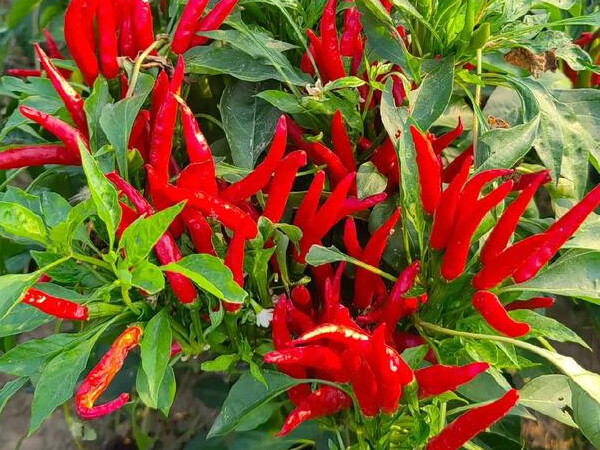
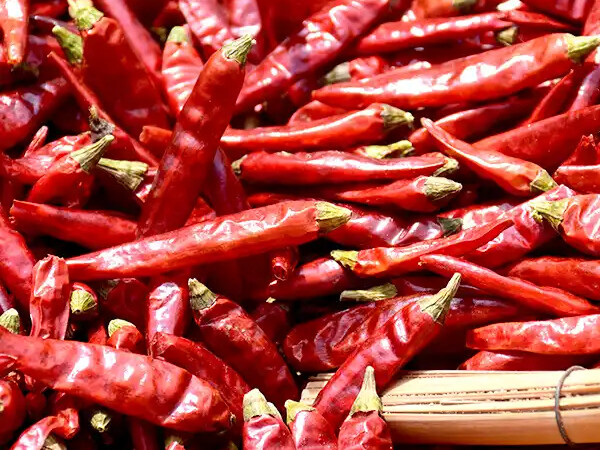

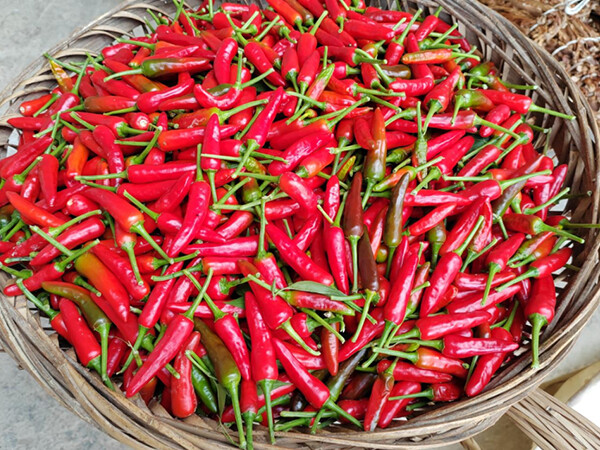
Within the diverse pepper family, chili peppers (Capsicum annuum var. conoides) and sweet peppers (Bell peppers) hold a prominent position in both the market and home cultivation, each with its own unique characteristics. While both belong to the Capsicum genus of the Solanaceae family, they differ significantly in appearance, taste, and cultivation methods. Let's take a closer look at these two distinctive peppers.
I. Basic Variety Overview
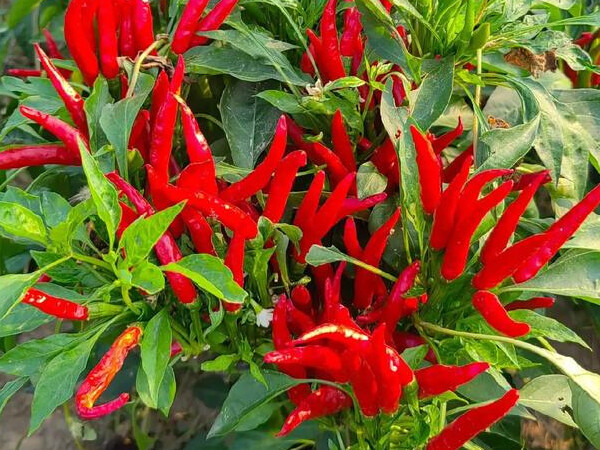
Chili peppers (Capsicum annuum var. conoides) are widely cultivated in both northern and southern my country. Their small, delicate fruits, brightly colored when ripe, make them popular as bonsai for both ornamental and practical purposes.
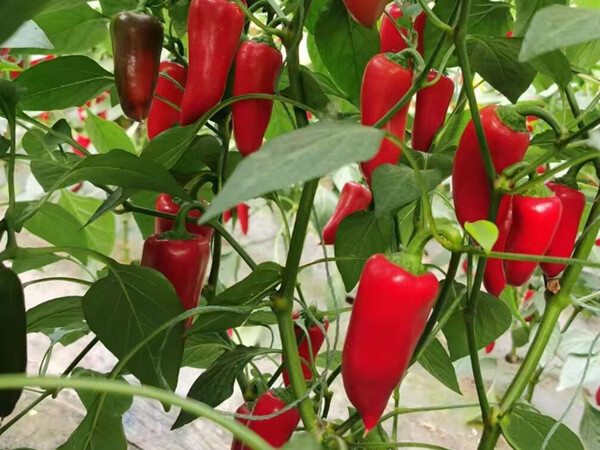
Sweet peppers (Capsicum annuum var. grossum), a key variety of the Capsicum genus of the Solanaceae family, boast a rich nutritional profile, a long production period, and excellent storage and transportation. In recent years, they have become a staple of greenhouse cultivation, enjoying widespread popularity among growers and consumers.
II. Significant Morphological Differences
Morphologically, chili peppers (Capsicum annuum var. grossum) and sweet peppers are distinct. The leaves of the chili pepper are 4-7 cm long and ovate in shape. The flowers are usually solitary, borne between two branches, on an upright pedicel with slightly drooping petals. The corolla is white or tinged with purple. Most notably, both the fruit stalk and fruit are erect. The fruit is small, conical, and approximately 1.5-3 cm long. When ripe, it is red or purple and has an extremely spicy flavor.
By contrast, while the bell pepper shares the same genus Capsicum in terms of leaf and flower morphology, the fruit differs significantly. The fruit of the bell pepper is typically larger and has a variety of shapes, including lantern and square. The peel is thicker and has a sweet taste, a stark contrast to the intense spiciness of the chili pepper.
III. Cultivation Characteristics and Common Varieties
In terms of cultivation characteristics, the chili pepper is highly adaptable and can grow in most climates across the country. It is suitable for both field cultivation and bonsai cultivation, and its cultivation and care are relatively simple. Sweet peppers, due to their long production period and durable storage and transportation, are well-suited for greenhouse cultivation. These environments allow for better control of growing conditions such as temperature and humidity, resulting in high-quality, high-yield cultivation. There are also numerous high-quality varieties of sweet peppers, including the Qiemen, Tianjin, Baoding, World Champion, and Jinan varieties. Semi-sweet varieties include Lujiao No. 1, Liaojiao No. 1 and No. 4, Zaofeng No. 1, Sujiao No. 1, Huajiao No. 17, and Xiangyan No. 1 and No. 2. These varieties each offer advantages in taste, yield, and disease resistance, meeting the needs of different regions and markets.
IV. Different Application Scenarios
Due to their differing characteristics, their applications vary. Due to its extremely spicy flavor, the Chaotian pepper is often used as a condiment, playing an important role in making chili sauce and chili oil, as well as adding a spicy garnish to dishes. Its unique shape also makes it a favorite among bonsai enthusiasts, creating a beautiful ornamental display indoors or in the garden. Sweet peppers, with their rich nutritional value and sweet taste, have become a common vegetable on the dining table. They can be used in a variety of cooking methods, including stir-fries, cold dishes, and salads, and are a popular choice. In agricultural production, the cultivation of sweet peppers in greenhouses has also brought considerable economic benefits to growers and promoted the development of the vegetable industry.
Leave a Message
Thank you for your interest in our products. "*" Indicates the Fields are Mandatory