


Related Posts
 Chili peppers: a nutritious food from farm to table, with both edible and medicinal value
- Chili peppers and bell peppers: Understanding their morphological differences and cultivation characteristics in one article
- What do we know about China's pepper production and trade
- From "Diplomat" to "Pepper Officer": The Legend of Chinese Peppers by Italian Luca Zhang
- Zhang Luka: Why is chili pepper so popular on the world's dining tables

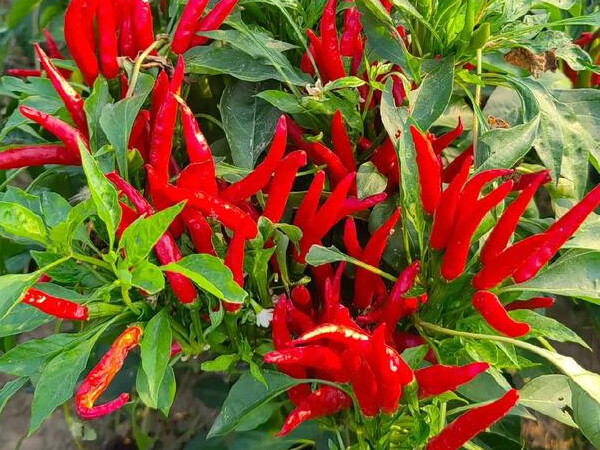
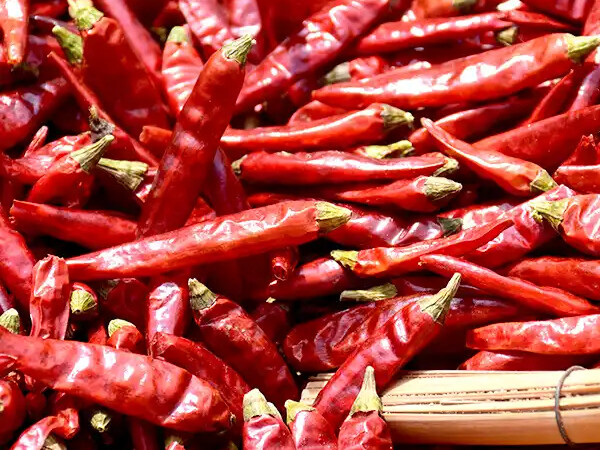
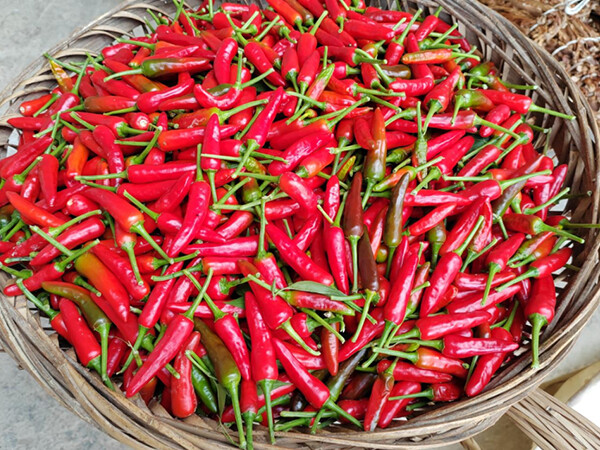
Chili, as a highly attractive condiment, not only adds rich flavors to dishes but also closely connects with various regional food cultures, becoming an important symbol of local culinary characteristics. Chili from different regions, with its unique flavors and characteristics, is integrated into the local food system, shaping distinctive food cultures.
In Guizhou, chili peppers are the soul of cuisine, with their unique qualities of "fragrance, spiciness, oiliness, and brightness" making Guizhou cuisine ever-changing and diverse. Dafang wrinkled peppers and Zunyi sky-high peppers, one with plump flesh and delicious spiciness, and the other with high spiciness and vibrant color, are widely used in various dishes such as spicy chicken, spicy fish, and sour and spicy noodles, becoming an important part of Guizhou's food culture. Guizhou people are also adept at processing chili peppers into various condiments, such as chili sauce, chili oil, chili powder, and fermented chili peppers. These condiments not only enrich the flavors of dishes but also carry the memories and emotional attachments of Guizhou people's lives.
The Buhu chili from Xinjiang, with its unique taste of thin skin, thick flesh, bright color, spicy but not dry, and fragrant but not greasy, has become an indispensable condiment in Xinjiang cuisine. Chili is everywhere in Xinjiang cuisine, from the spicy and delicious flavor of spicy noodles to the rich sauce of Xinjiang fried rice noodles, all of which cannot be separated from the embellishment of Buhu chili. Chili injects a unique spicy flavor into these delicacies, making people feel the charm and uniqueness of Xinjiang cuisine.
The Sanzhang Huanggong pepper from Hunan is spicy but not dry, and it has a sweetness amidst its freshness, making it the soul companion of Hunan cuisine. Classic Hunan dishes such as Chopped Pepper Fish Head and Stir-fried Pork with Chili are all enhanced by the flavor of Huanggong pepper. In Hunan, chili is not just an ingredient, but also a cultural symbol, representing the enthusiastic and generous character of Hunan people and their love for life.
Shandong Wucheng chili and Jinxiang chili, with their unique flavor and excellent quality, play an important role in Shandong cuisine. Wucheng chili has a thin skin, thick flesh, bright color, fragrant taste, and moderate spiciness. Jinxiang chili is spicy yet sweet and high in vitamin C content. They can be eaten fresh or dried and ground into powder for use in cooking various dishes, adding a rich aroma to Shandong cuisine.
Chongqing Shizhu chili is the "golden supporting role" in hot pot base sauce, adding unique charm to Chongqing hot pot with its distinctive taste and flavor. Chongqing hot pot is renowned for its spicy, numbing, and fragrant characteristics, and Shizhu chili plays an indispensable role in this. Furthermore, Shizhu chili is also widely used in other dishes of Sichuan cuisine, becoming an indispensable condiment in Sichuan cuisine.
Henan Neihuang pointed pepper and Zhecheng chili are both extremely spicy, making them important characteristics of Henan cuisine. The spiciness of Neihuang pointed pepper can penetrate to the scalp, while Zhecheng chili has a rich and intense spiciness. They are commonly used in the production of condiments such as chili oil and chili sauce, adding a fiery flavor to Henan cuisine.
Hubei Macheng chili, known for its mild spiciness and delicious taste, has become an indispensable seasoning for Macheng's specialty dish, "Macheng Hot Pot". Macheng Hot Pot has a long history. During the cooking process, Macheng chili blends with other ingredients, adding a unique flavor to the hot pot and leaving a lingering aftertaste.
Development and economic value of the pepper industry
Nowadays, the pepper industry has become an important part of Chinese agriculture, occupying a pivotal position in the agricultural economy. China is the world's largest producer and consumer of peppers, with planting areas and yields consistently ranking first globally. In recent years, the pepper planting area has stabilized at over 11 million mu, and the yield has exceeded 16 million tons. Pepper-producing areas are spread throughout the country, with North China and Northwest China being the dominant production regions, and South China being the dominant production region during winter.
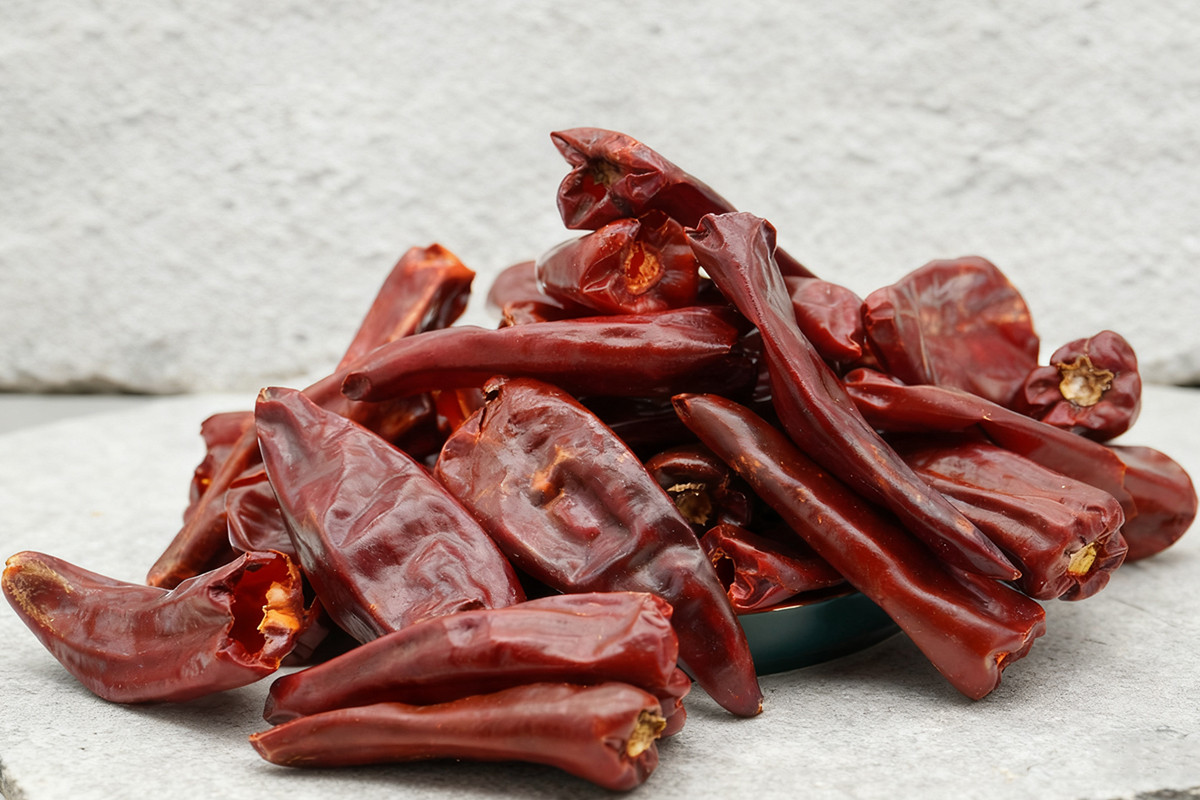
From the perspective of market planting entities, China has a total of nearly 15,200 enterprises related to pepper cultivation that are operating normally, with small and micro enterprises accounting for over 95%; there are approximately 11,500 enterprises related to pepper processing, with small and micro enterprises accounting for over 96%. Currently, 95% of the pepper seeds used for production in China are domestically produced, while imported seeds account for only 5%. Pepper products are mainly divided into three categories: fresh peppers, dried peppers, and processed peppers, with fresh peppers accounting for 43.75%, processed peppers accounting for 37.5%, and peppers suitable for both fresh consumption and processing accounting for 18.75%.
Chinese chili products are primarily supplied domestically, with some dried chili and processed products exported. Specifically, fresh consumption accounts for 50%, processing accounts for 45%, and exports account for 5%. With the improvement of people's living standards and the change of consumption concepts, the demand for chili and its products continues to increase. The market size of the chili industry has continued to expand, exceeding 388 billion yuan, of which the market size of fresh chili is close to 200 billion yuan, and the production scale of processed chili exceeds 170 billion yuan. In the structure of the chili industry, the primary industry has long occupied the dominant position, but the secondary and tertiary industries have grown rapidly in recent years, accounting for more than one-third of the total. The deep processing field is expected to become a new growth point for the industry.
Among numerous chili pepper varieties, the top ten famous peppers occupy an important position in the chili pepper industry due to their unique quality and flavor. They are not only local specialty agricultural products but also a significant force driving local economic development. Taking Zunyi, Guizhou as an example, Zunyi red chili peppers, as a local specialty agricultural product, have a long history of cultivation and excellent quality, serving as a crucial source of income for local farmers. According to statistics, the cultivation area of Zunyi red chili peppers exceeds 1 million mu, with a yield of over 1.5 million tons and an output value exceeding 3 billion yuan. A complete industrial chain encompassing cultivation, processing, and sales has been formed around Zunyi red chili peppers, covering multiple links such as chili pepper cultivation, harvesting, processing, packaging, and sales. This has provided numerous job opportunities for the local area and promoted the development of the local economy.
After Xinjiang Buhu chili peppers obtained the national geographical indication product certification, their brand awareness and market competitiveness were further enhanced, standardized production was promoted, product added value was increased, and farmers' income was boosted. In recent years, Buhu County has continuously strengthened the development of the chili pepper industry. By introducing advanced planting techniques and processing equipment, the yield and quality of chili peppers have been improved, and the products are sold well in domestic and foreign markets.
The planting area of Zhecheng's three-color chili peppers in Henan Province remains stable at over 400,000 mu, with an annual output of approximately 400,000 tons and an output value exceeding 2 billion yuan. By developing the chili pepper industry, the local area has driven the development of related industries such as logistics, packaging, and processing, forming an industrial cluster effect and promoting the prosperity of the local economy. At the same time, Zhecheng County also actively organizes events such as chili pepper festivals, which have enhanced the brand awareness and influence of Zhecheng chili peppers, further promoting the development of the chili pepper industry.
In addition, through cooperation with enterprises such as Qian Dama, Hubei Macheng chili has precisely matched traditional planting with the modern market, pushing Macheng chili towards a broader market. Currently, the cooperation between Qian Dama and Macheng has driven thousands of local farmers to participate in planting, effectively improving their living standards. Shandong Wucheng chili and Jinxiang chili, with their excellent quality and unique flavor, are highly favored in the market. Their products are exported to all parts of the country, bringing considerable economic income to local farmers.
The development of the chili industry not only provides farmers with a pathway to increase their income and achieve prosperity, but also drives the development of related industries such as food processing, logistics and transportation, and catering services, forming a complete industrial chain and promoting the prosperity of the local economy. At the same time, the development of the chili industry also provides consumers with a rich variety of chili products, meeting people's ever-growing consumption demands.
Leave a Message
Thank you for your interest in our products. "*" Indicates the Fields are Mandatory